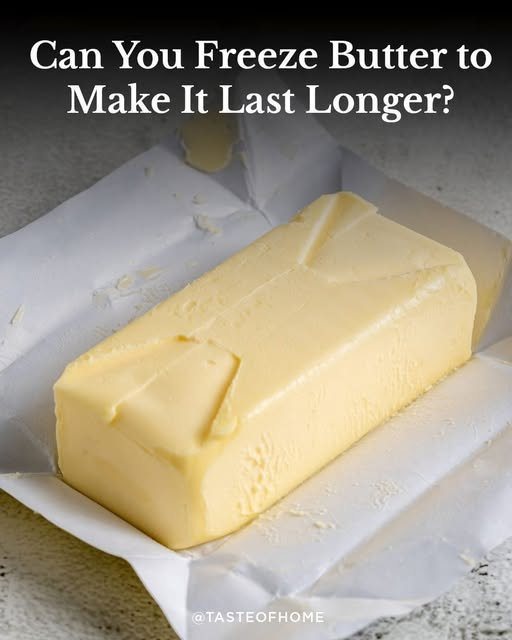
Freezing butter successfully depends mainly on proper packaging. Here are a few important steps:
Keep it wrapped
If the butter is still in its original packaging, you can leave it as it is. However, it is best to add an extra layer of plastic wrap, aluminum foil, or place it inside a freezer-safe bag to protect it from air and moisture.
Use airtight protection
If the butter has already been opened, wrap it tightly in parchment paper or foil and then place it in a heavy-duty freezer bag or vacuum-sealed bag. This helps prevent freezer burn and keeps the butter from absorbing odors from other foods.
Label and date it
Always write the freezing date on the packaging so you can easily track how long it has been stored.
Proper packaging helps preserve both the flavor and texture of butter, especially if you plan to use it later for baking or spreading.
How to Use Frozen Butter
When you are ready to use frozen butter, there are several simple options:
Thaw it in the refrigerator
The best method is to move the butter from the freezer to the refrigerator and let it thaw overnight. This allows the butter to return to a smooth and even texture.
Grate frozen butter
For baking recipes like biscuits, pie crusts, or pastries, grated frozen butter works very well. It stays cold while mixing with flour, which helps create flaky textures.
Melt it quickly
If you need melted butter right away, you can heat it gently in the microwave using short bursts or melt it slowly in a small saucepan on the stove.
Signs Butter Has Gone Bad
Continued on next page: